
Organized by:
 |
 |
 |
What You Will Learn
During the webinar, Dr. Akkermans will discuss:
- How the different phases of human digestion can be translated into an interconnected bioreactor system
- How dynamic pH profiles, fluid volumes, enzyme additions, and intestinal flows are implemented and controlled
- How balances, pumps, refrigeration, and a hemodialysis membrane support accurate flow and absorption simulation
- How a defined synthetic microbial community can be used to investigate gut microbiota populations and metabolite production
- How an automated and reproducible model can provide mechanistic insights into human digestion and microbiome activity
FooDSIM includes controlled inflows for food, gastric enzymes, pancreatin, and bile acids, as well as outflows that simulate nutrient absorption and the transfer of digested material through the intestinal compartments.
Learn more about the FooDSIM program at KU Leuven: https://iiw.kuleuven.be/nieuws-en-agenda/nieuws/foodsimbiotec
How Lucullus® Is Used in FooDSIM
In FooDSIM, Lucullus® is used to define process values as variables and coordinate eight time-dependent processes in parallel, including mass-controlled dynamic in- and outflows and dynamic stomach pH control.
This enables the research team to coordinate the complex sequence of process steps required to reproduce dynamic digestion conditions across the interconnected bioreactor compartments.
How Getinge-Applikon Bioreactors Are Used in FooDSIM
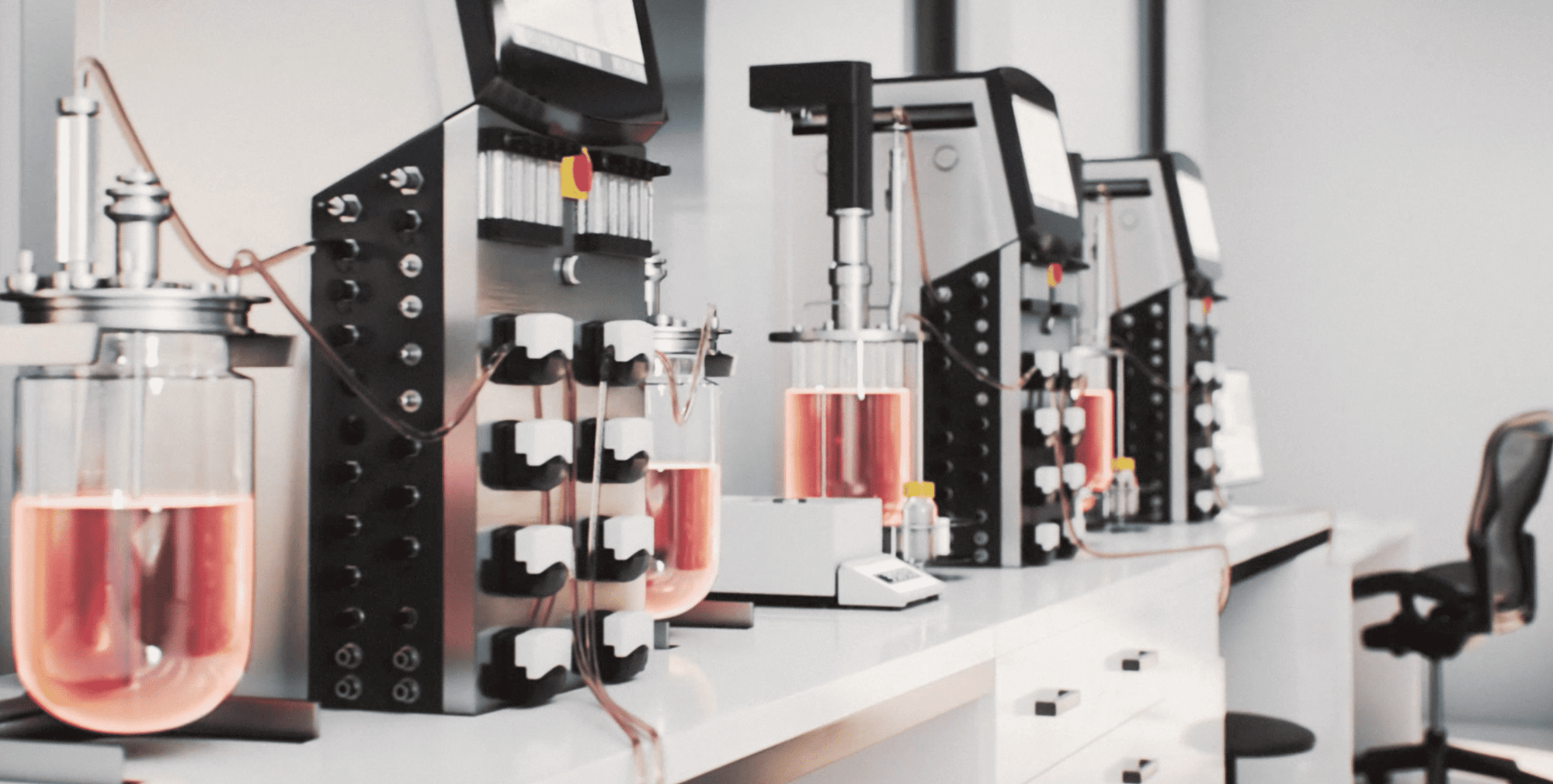
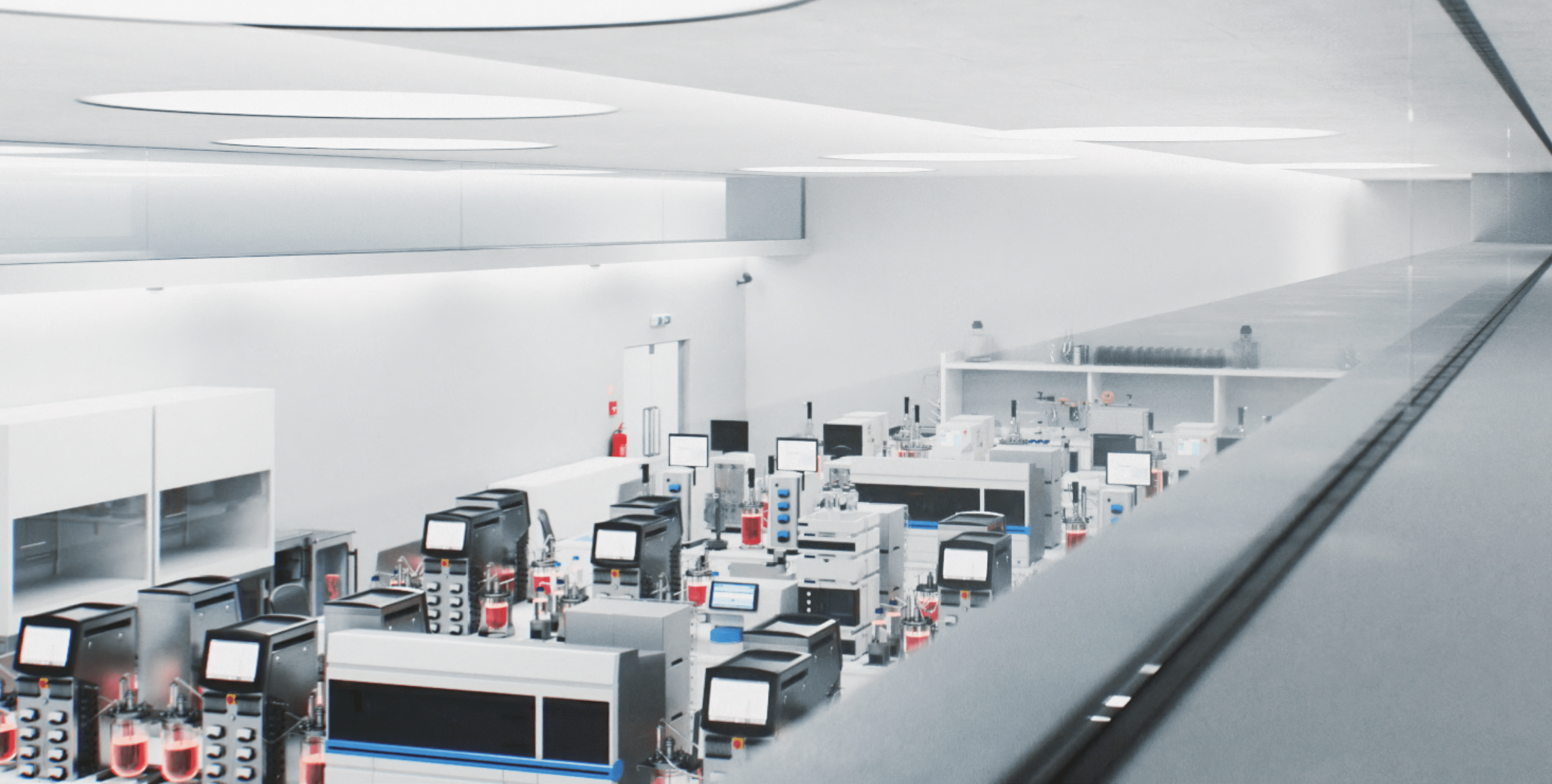
In FooDSIM, four Getinge Applikon miniBio bioreactors with my-Control units are used, each representing a different stage of digestion. The vessels operate at 250–1,000 mL, with controlled mixing, temperature, oxygen levels, and phase-specific pH conditions.
The FooDSIM platform uses four interconnected Getinge Applikon miniBio bioreactors to reproduce the changing physicochemical conditions of the stomach, small intestine, and colon under precisely controlled and reproducible conditions.
Why Attend?
This webinar will be particularly relevant for researchers and professionals working in:
- Food biotechnology and food digestion research
- Gut microbiome and microbial ecology
- Bioprocess engineering and automation
- In vitro model development
- Nutritional science and gastrointestinal research
- Pharmaceutical and oral drug development
FooDSIM demonstrates how automated bioreactor technology can integrate physiologically relevant conditions, dynamic flows, and synthetic gut microbiota into a reproducible experimental platform for mechanistic research.
Speakers
Join our panelists for a discussion and Q&A
 |
 |
 |
||
Dr. Simen AkkermansPostdoctoral Researcher |
Mohi AhmadiniaSr. Marketing Manager |
Arti TyagiProduct Manager |